
Ground
Bearing capacity, hardstand design and route condition are assessed before mobilisation.
Cranes · People · Planning
Cranes, crews and lift planning for construction, energy and wind sites across Ireland and the EU.
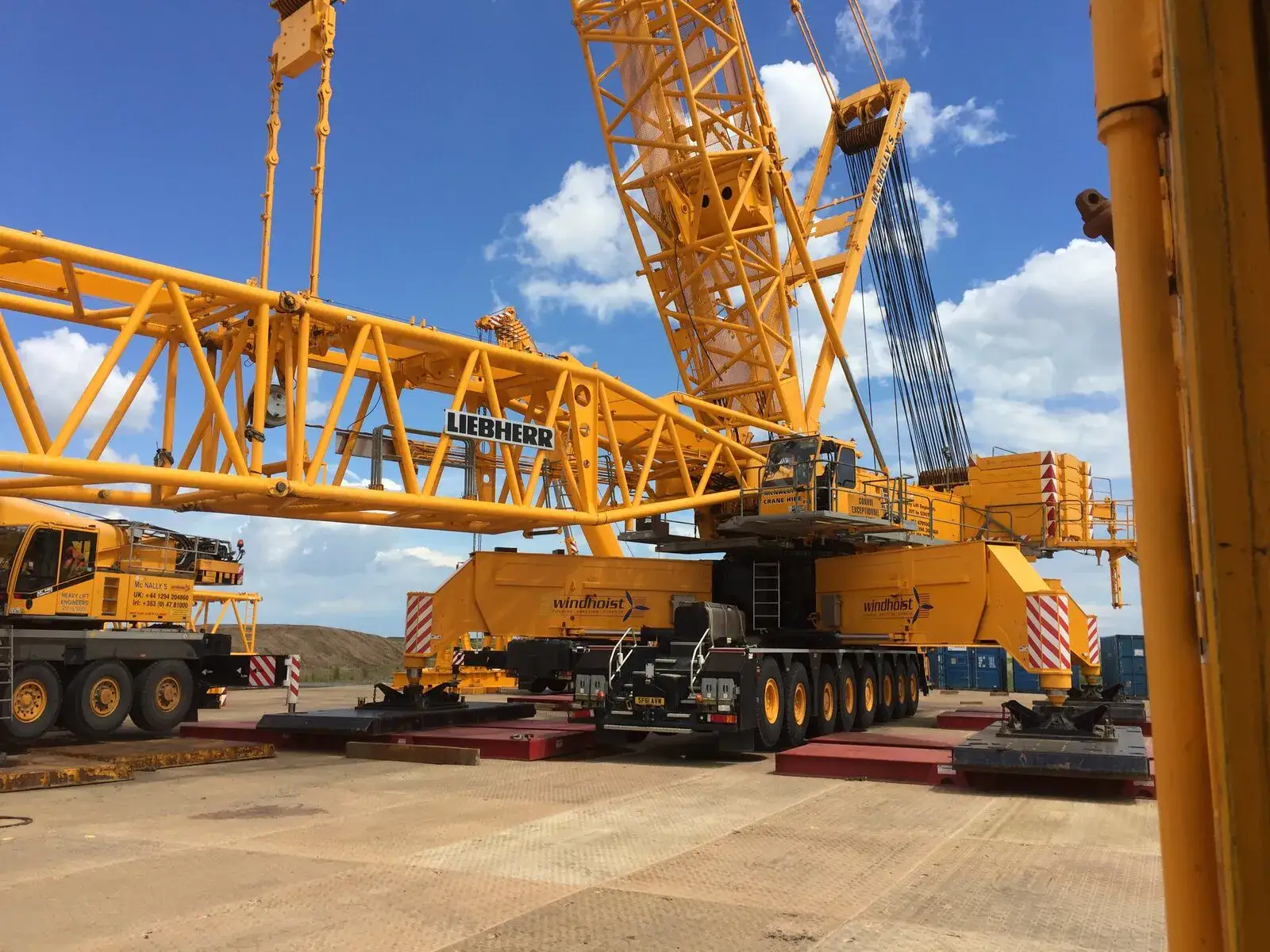
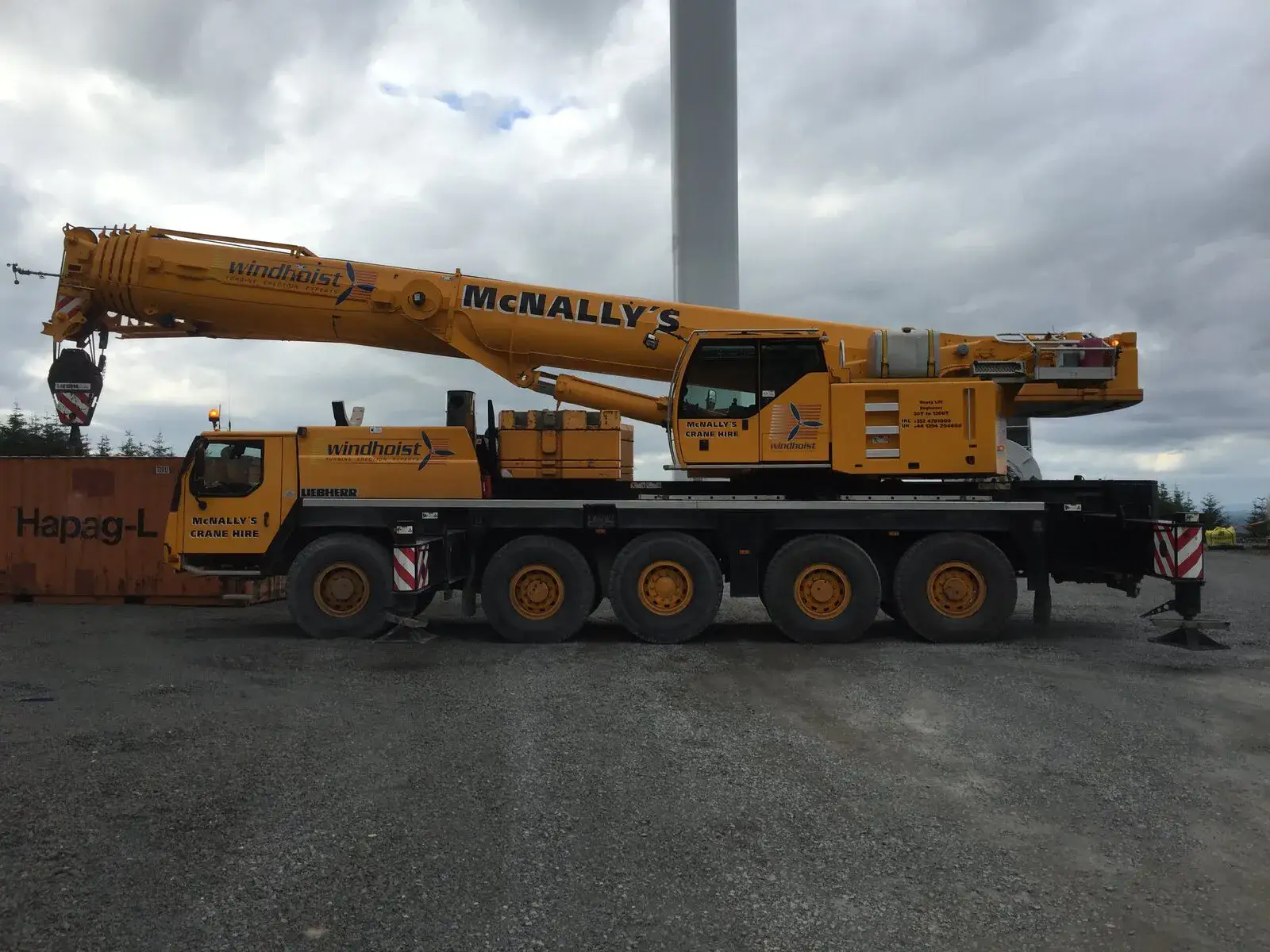
All-terrain cranes on our own fleet, up to 700 tonnes, for construction, civils, utilities and energy work across Ireland.
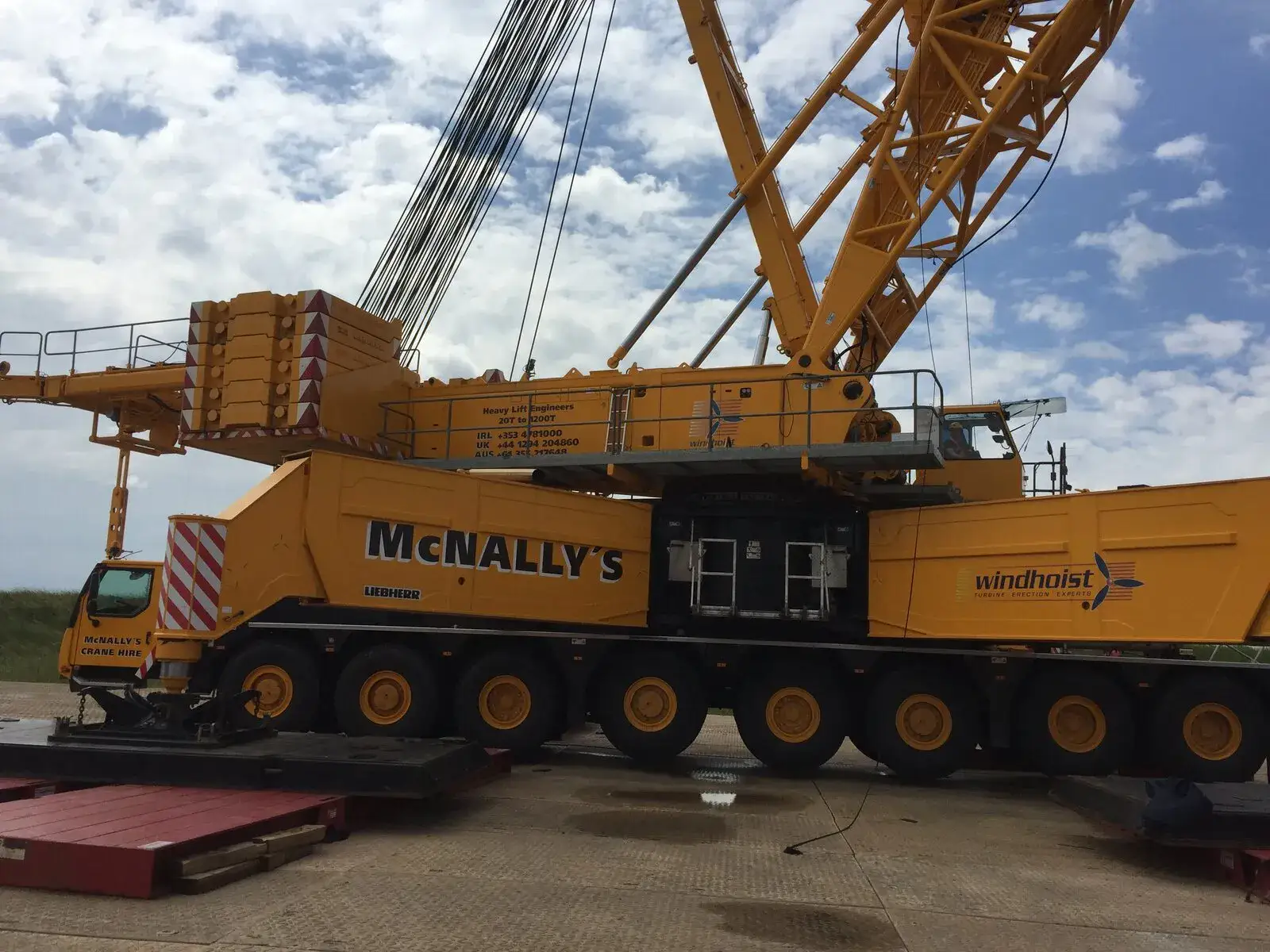
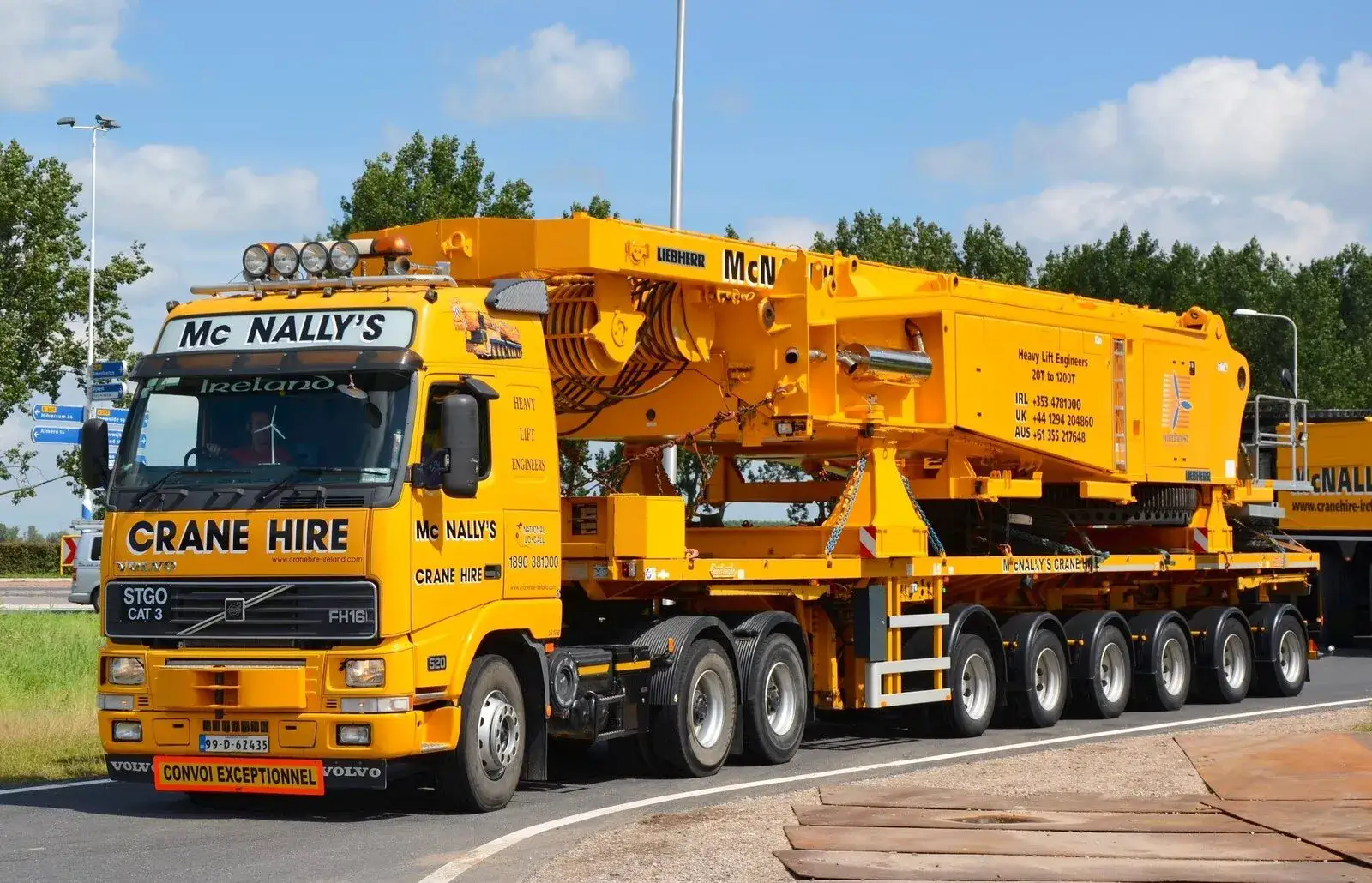
The largest all-terrain crane in the current McNally’s fleet.
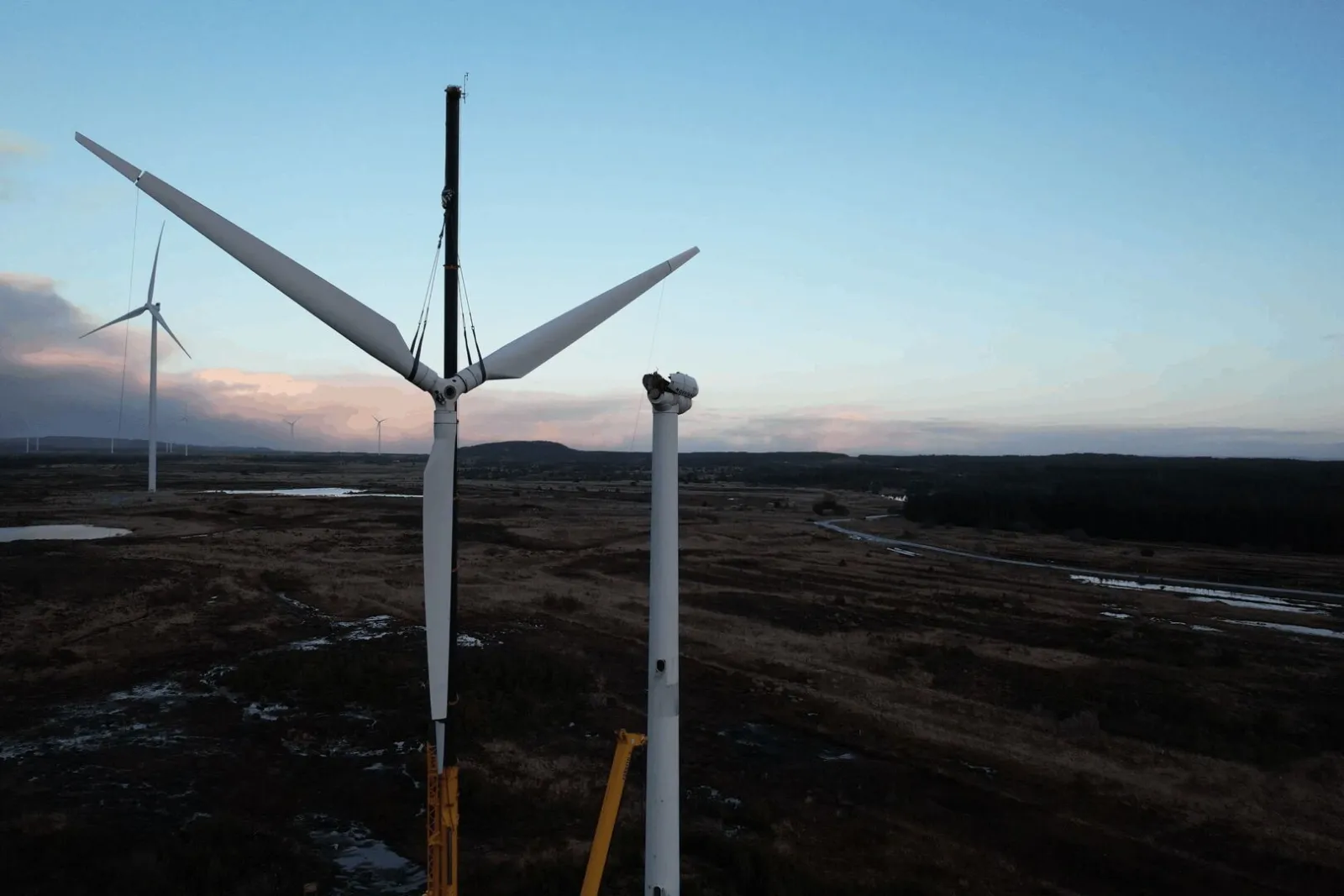
McNally’s first wind project was in 1999. Since then the crews have worked remote, high-wind sites across the world: Ireland and the UK, France, Germany, Belgium, the Netherlands, Spain, Italy, Greece, Poland, Denmark, Norway, Sweden and Finland, and further afield in Turkey, Morocco, Western Sahara, Mauritania, South Africa, Australia and the Falkland Islands.
End-of-life wind farms taken down, with major components removed for refurbishment, resale or recycling.
The survey, the lift plan, the appointed person and the crane sit on one contract.
Difficult sites
The 2011 Cranes & Access feature on McNally’s highlighted deep peat, floating roads, adverse cambers and gradients up to 18% as defining challenges on Irish and UK wind sites.
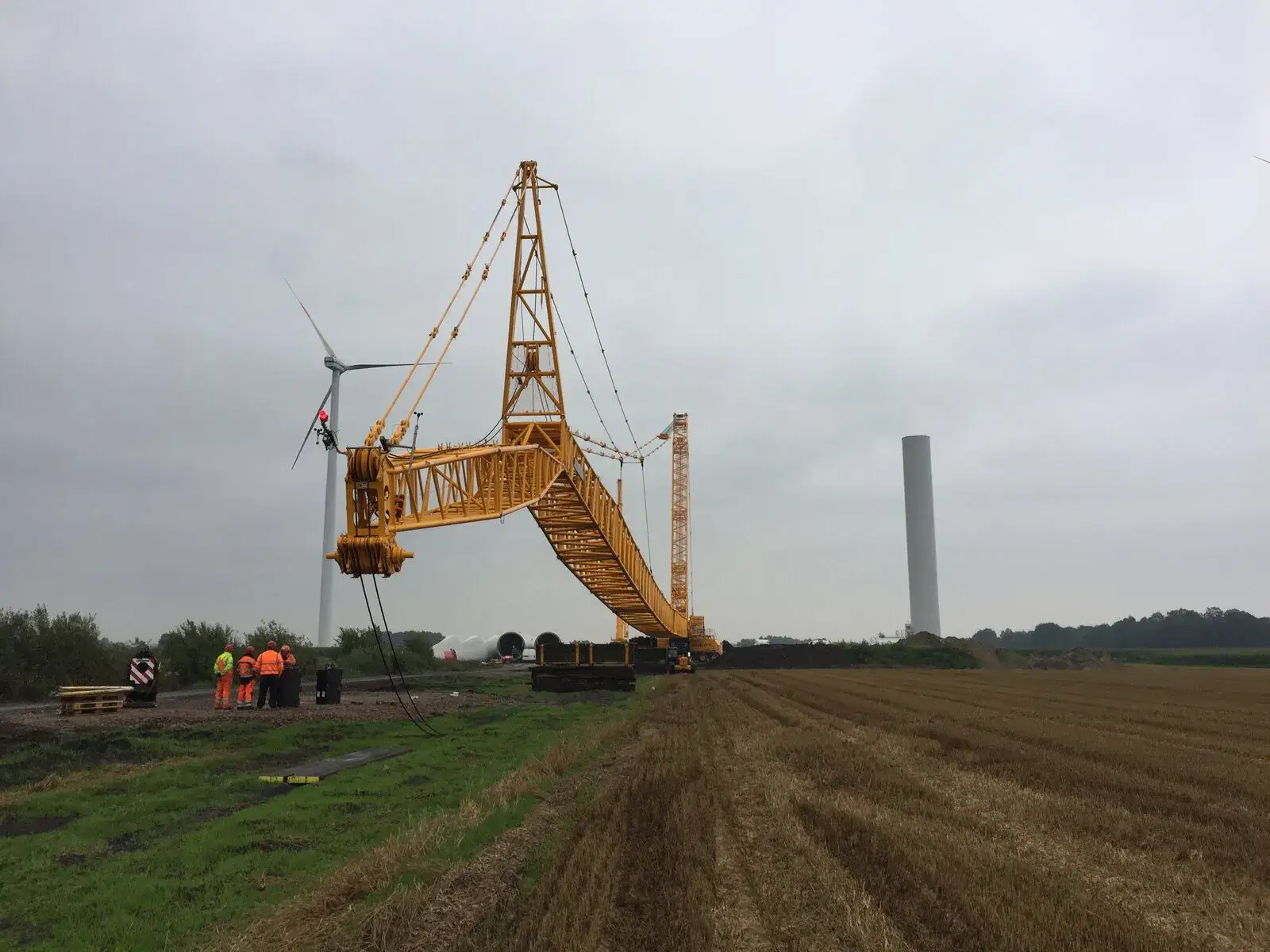
Bearing capacity, hardstand design and route condition are assessed before mobilisation.
Wind speed limits and the load’s surface area are set in the lift plan before the crane goes up.
The crane, the transport, the rigging and the site team work to the same plan.
Planning a project?
Send the load weight, working radius, location and required date. Photos, drawings and access details help.
Send project details Try the crane calculator